
A Vision for the C.C. and Emogene Bryant Freedom House
by Judith Roberts
Born in Connecticut, my identity is deeply rooted in Mississippi. I am the first-born grandchild of Curtis and Emogene Bryant of McComb, MS. From 6 weeks old to 2 years of age, I spent my early life in their Mississippi home. I took my first steps in their front yard, ate my first chicken leg at their dining room table, and played in their kitchen with my first pet, a kitten I called Kat. When grade school in CT was out for the summer, my younger brother and I were on a plane, train, or car to spend the next two months with our maternal grandparents. My grandmother showered all of her 7 grandchildren with lots of love.
As a child, I was unaware of the significance of the history of civil rights and the role of their home. My grandmother’s house was her showplace. For her, civil rights organizing was not the center of the home’s identity. It was the place where she raised her 2 children, cared for her family, and watched her 7 grandchildren play under the hot summer sun. I was aware of my grandfather’s importance to the community. I saw it in the respect people showed him wherever we went. On Sundays, Society Hill Missionary Baptist Church members would listen to his announcements on political matters to keep the congregation engaged on issues that impacted them directly. Watching my grandfather in action, I saw him as a local celebrity.
My grandparents were crazy about their grandchildren and gave us the love and security of family. My grandfather served as the Pike County chapter president of the National Association for the Advancement of Colored People (NAACP) from 1954-1984. He was elected as chapter president because no one else would take it. The risk was high even to be a card-carrying NAACP member in Mississippi. By day, he worked as an Illinois Central Railroad crane operator and was the local union president for his division. He was also active in his church community as a Deacon and Sunday school teacher. My grandmother was equally active in the choir, as a church mother, and as a member and president of the missionary board. We experienced strong family connections, a comfortable middle-class lifestyle, and the importance of hard work, education, and ingenuity. My grandparents were people of discipline and deep faith who connected to their community. Although my grandparents did not attend college, they believed in being lifelong learners. My grandfather studied and prepared for his weekly Sunday school lessons. My grandmother dreamed of being a teacher before she was married. She never missed an opportunity to focus on reading, writing, and arithmetic with her own children and grandchildren. They wanted more opportunities for their children, grandchildren, great-grandchildren, and black Americans. They believed Mississippi and this country could do better for black Americans.
My grandmother loved to decorate her home, and she also loved to look her best. She wore beautiful clothes, fashionable hats, and fancy heels. She styled her hair and took great pride in being a fashion plate—especially on the second Sunday of the month church services. Cooking, cleaning, decorating her home, and caring for her family were part of her personality and self-expression. She wanted the same for her husband, children, and grandchildren. An excellent cook, dinner was always on the stove with many fresh vegetables, tender meats, and homemade cakes and pies. According to my younger brother, to this day, “no one fried chicken like our grandmother.”
My grandfather’s legacy witnessed the power of striving for racial equality in this country. Attending church and participating in NAACP events with him shaped my understanding of my grandfather’s personal commitment to justice. His home was a regular hub of activity—filled with people randomly dropping by to seek his advice and wisdom. The list included black and white coworkers from Illinois Central Railroad, political figures seeking election, scholars, journalists, and students researching history. I had the pleasure of meeting his dear friend, Bob Moses. Whenever Dr. Moses was in Mississippi, he always stayed in my grandparents' home long after many of the advancements of the civil rights movement were won. My grandfather’s faith and steadfast commitment to equity, fairness, peace, and unity inspired me to build upon his legacy. A call that has led me to work professionally, nationally, and internationally on racial justice education, advocacy, activism, and policy initiatives.
The NAACP’s foundational mission was to advocate for racially just policies to ensure all citizens have political representation, voice, and participation. C.C. Bryant fervently believed in exercising the right to vote and participating in local, state, and national politics. His efforts, alongside his contemporaries NAACP State President Aaron Henry, Medgar Evers, NAACP Field Secretary Bob Moses, Student Nonviolent Coordinating Committee (SNCC) Field Secretary, the Freedom Riders, the Congress of Federated Organizations (COFO), and many local people, played a pivotal role in challenging the Jim Crow discriminatory practices and laws of Mississippi. From voter education and registration efforts, access to the ballot box challenged racial segregation and discrimination in education, healthcare, transportation, and employment. They toiled relentlessly to improve the conditions and opportunities for fellow black Mississippians. Their efforts were not confined to Mississippi. The intergenerational movement of cooperation and organizing strategies implemented during Freedom Summer of 1964 in Mississippi rippled across this country—inspiring Black Americans to push for equal protection and fair representation as afforded under the U.S. Constitution. Their courage as citizens under the threats of violence, intimidation, and murder was a loyal commitment to justice that left an indelible imprint on Mississippi and the nation.
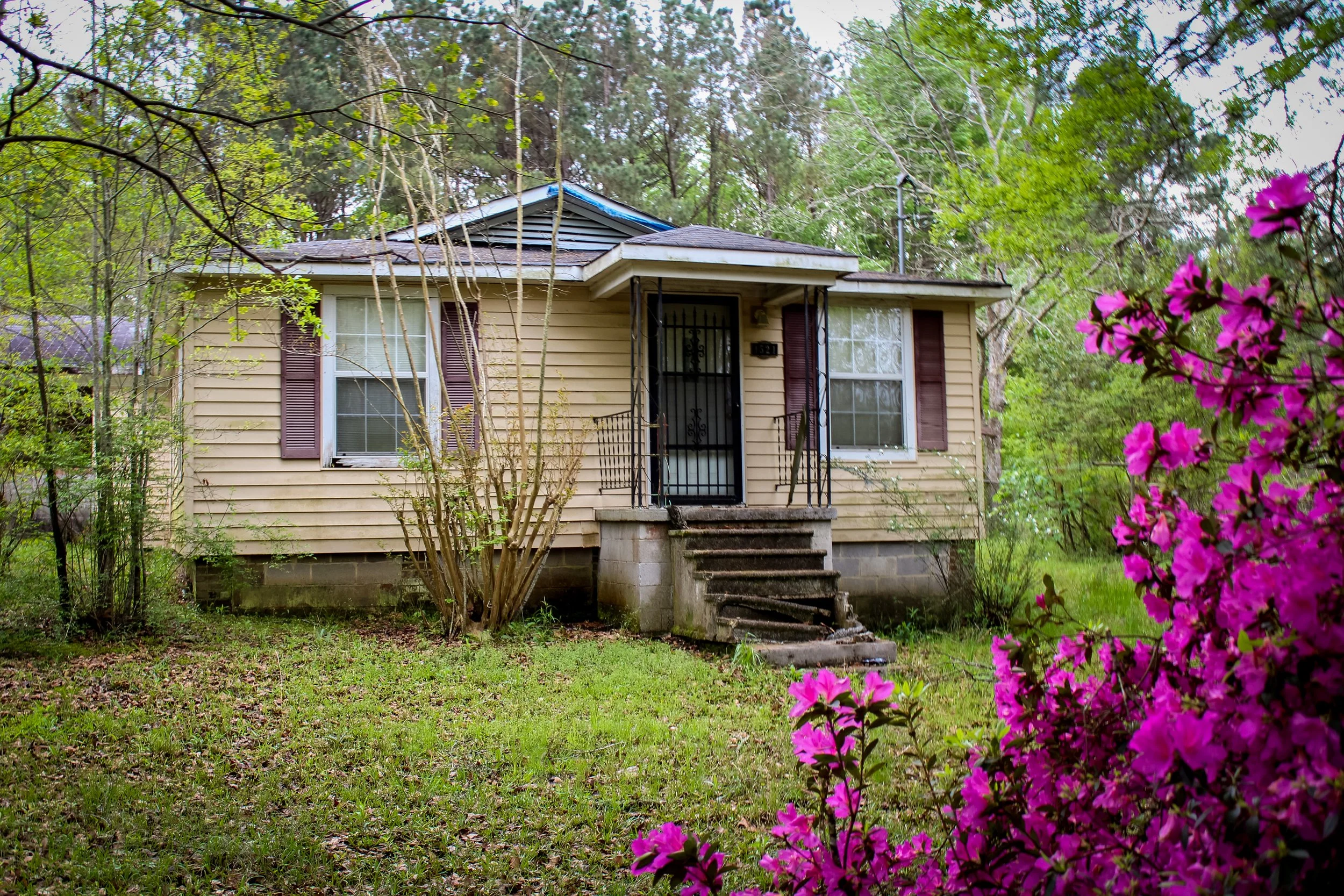
The entire site of the Bryant homestead is central to the McComb struggle for civil rights. The Bryant home has the potential to become a place that holds history and vision and inspires future leaders to follow in my grandfather's footsteps. Their home was a safe haven for all who found refuge behind its four walls. My grandmother created an atmosphere of peace, love, beauty, and comfort. Through delicious home-cooked meals, her hospitality provided nourishing food for the soul to continue the good fight. Her oversized 4-post bed and pressed white linens offered peaceful rest for the body and mind.
In addition to being a safe haven and place of refuge—their house and their church were targeted by violence, especially during the Freedom Summer movement of 1964. In addition to their primary residence, my grandfather operated a small barbershop on his property on weekends. When he wasn’t working for the Illinois Central Railroad, Monday-Friday, he supplemented his income as a licensed barber. Local men would get their haircut on Fridays and Saturdays. The shop was an additional space to organize and exchange information about NAACP activities. The barbershop also doubled as a community library filled with history books, political pamphlets, and education resources. Black publications like the NAACP’s Crisis magazine, Johnson Publishing’s Ebony and Jet magazines, black newspapers, the Pittsburgh Courier, and the Chicago Defender were readily available to share black Americans' talents, triumphs, and plight. During Freedom Summer of 1964, a firebomb caused damage to the barbershop and leveled Society Hill Missionary Baptist Church.
My grandparents’ home was a testament to their faith, resilience, and dedication to the fight for freedom. They are no longer living, and the home has been vacant for several years. Major storms damaged the roof and compromised the structural stability. Recent grant funding from the Mellon Foundation through the Mississippi Heritage Trust Foundation included a new roof and the replacement of an exterior wall. However, the property needs additional repairs before it can become habitable. I am in the visioning phase of the future CC & Emogene Bryant Freedom House design and look forward to bringing concrete plants to share with my family. My grandparents hosted meetings, meals, and movement leaders like NAACP Field Secretary Medgar Evers and SNCC Field Secretary Bob Moses. If the walls could talk, they would tell the stories of strength and resilience within the movement. My grandmother’s home was her showcase. She took great pride in decorating and maintaining a beautiful home. Restoring the home to its original condition is part of the next phase. Recreating the kitchen, living room, and bedrooms back to the style and furnishings of the 1960s is one element of preserving history. The other includes an interpretive space that highlights the movement's work and the leaders of McComb. The home has the potential to become a retreat center for all who enter through its doors: activists, artists, students, scholars, family, friends, and visitors who want to be immersed in history and desire time for renewal and self-care.
The opening of the Mississippi Civil Rights Museum and the Mississippi Freedom Trail have made tremendous strides in capturing the state’s importance and marking significant historical sites. Yet, there is much work to be done. Connecting and preserving Mississippi’s Freedom Houses will protect these important places and stories of the people who bent the arc of freedom and justice towards a more perfect democracy in this country.