
Preserving Memory Through Place, People, and Purpose
By Kevin Enos Brown
Photos by Julian Barlow
My journey into preservation began with my mother. She taught me the importance of understanding family roots and recognizing how history shapes our perception of ourselves and the world around us. Through stories about our ancestors and community, she helped me understand that history is not simply about the past, is a guide for the future. Those lessons continue to inform my work as a preservationist and inspired my book, Outside the Walls: Reclaiming History with Community Spaces.
That belief came to life during the recent Join the Movement, a Mississippi Freedom House Project event sponsored by the Mississippi Heritage Trust. Over the course of a weekend, residents, historians, preservationists, descendants, and visitors gathered to explore McComb's Civil Rights history and demonstrate how preservation can strengthen community connections while inspiring future action. Freedom House owners from around the state convened in McComb to experience one of the cohort’s efforts first-hand.
McComb occupies a unique place in American history. Often recognized as a birthplace of the modern Civil Rights Movement, the city became a proving ground for student activism, voter registration efforts, and grassroots organizing that would influence movements across the South. Yet McComb also represents another, darker reality. The fierce resistance to racial equality unleashed a wave of violence so extensive that the city became known as the "Bombing Capital of the World." Preserving this history requires telling both stories: the story of courage and the story of terror, because one cannot be understood without the other.
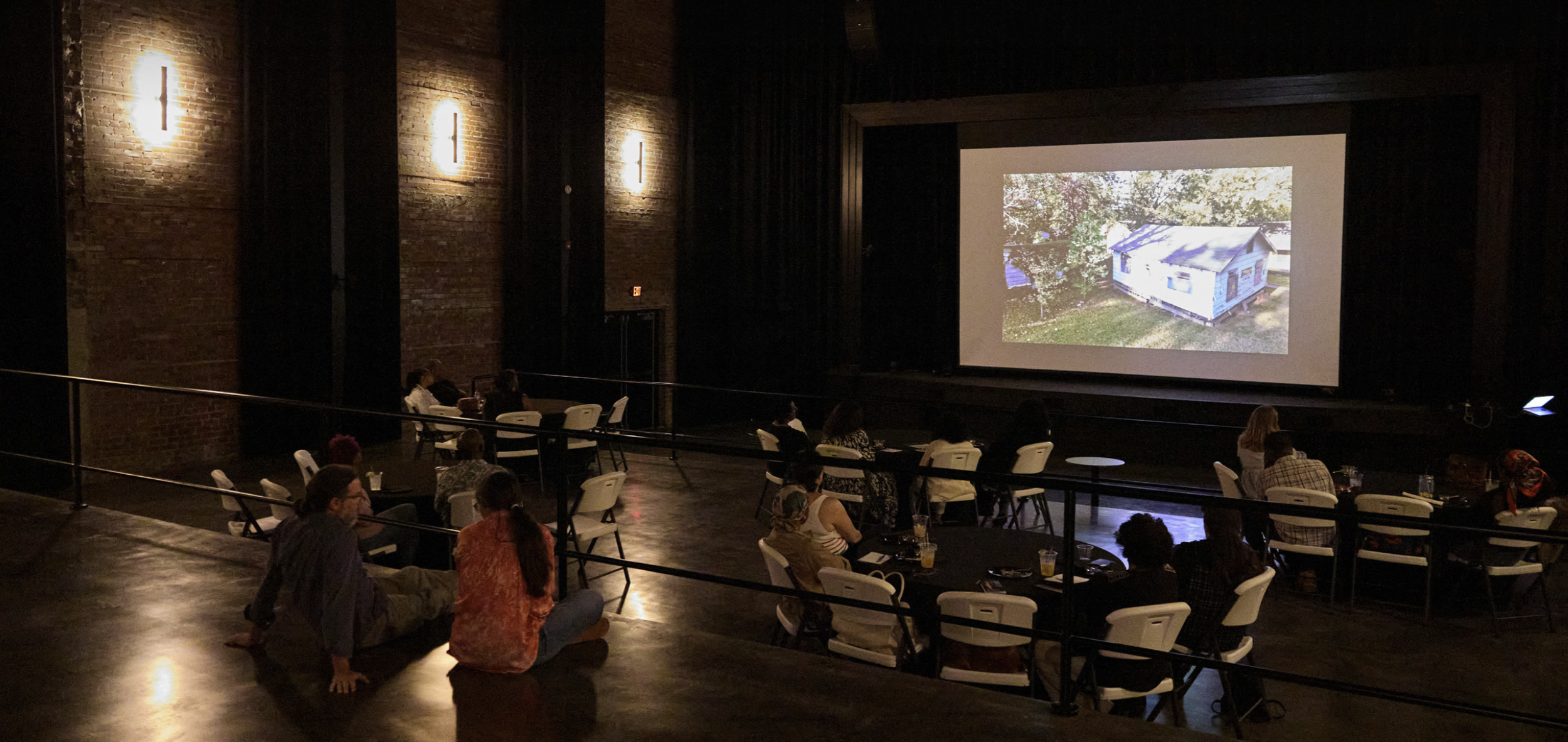
The weekend began Friday evening at the historic Palace Theater in downtown McComb, a space that once reflected segregation in its seating and access. In this moment, however, it served a very different purpose. It became a place of togetherness, where community members gathered side by side for a documentary presentation examining local Civil Rights history and the importance of preserving the places where that history unfolded. The transformation of this space underscored one of the central truths of preservation: places can be reclaimed and redefined through shared memory and intentional use.
The following day, participants boarded buses for an immersive Civil Rights tour of significant sites throughout McComb in the Baertown and Burglund communities. Guided by local historians, including Jacqueline Byrd Martin, a participant in the historic Burgland Walkout of 1961 which was widely recognized as one of the earliest youth-led mass Civil Rights demonstrations in the country, attendees explored places that played pivotal roles in the movement.
Along the route, participants learned about more than twenty-four bombings and arson attacks that occurred during the Civil Rights Movement in Black communities throughout McComb in Baertown, and Burglund. Homes, churches, and community spaces were targeted in an effort to intimidate Black citizens and suppress demands for equality and voting rights. Yet the stories shared throughout the day revealed something equally powerful: the extraordinary resilience of residents who refused to abandon their pursuit of justice despite the dangers they faced.
For many attendees, seeing these places firsthand transformed history into something tangible. One participant remarked that the experience allowed people to see, hear, and feel the pain, grassroots struggles, and triumphs that accompanied the fight for humanity. Another described riding through familiar neighborhoods while listening to memories, questions, and reflections shared among fellow passengers. The result was a renewed sense of wonder, connection, and belonging.
What made the event especially meaningful was its ability to connect preservation with living memory. Participants repeatedly emphasized that understanding history requires listening to those who experienced it. The tour created opportunities for those stories to be shared, remembered, and passed forward to new generations.
That same spirit continued during a Preservation Day event at the C.C. and Emogene Bryant Freedom House in the historic Baertown community. The gathering allowed volunteers to connect with history in a direct and meaningful way while contributing to ongoing preservation efforts.
Community members and visitors worked together to carefully remove furnishings, documents, and household items from the home for cleaning, inventory, documentation, and secure storage as preparations continue for future rehabilitation work. Funding is currently being sought to support restoration of the property, but the event demonstrated that preservation begins long before construction starts.
The most powerful moment came when participants met C.C. Bryant's granddaughter Judith Roberts and her son, Julian Barlow. Hearing directly from family members about Bryant's legacy and the ongoing effort to preserve the home transformed the experience from a volunteer project into an intergenerational exchange of memory and purpose. Their stories reminded participants that preservation is ultimately about people, families, and communities.
The event became more than a workday; it became an opportunity to reconnect community bonds while honoring a shared legacy rooted in courage and sacrifice.
These experiences underscore an important reality. Historic preservation is about far more than saving buildings. It is about preserving the stories, values, and struggles embedded within those places. Buildings serve as anchors for memory, helping communities understand where they have been and imagine where they can go.
Many of Mississippi's Civil Rights landmarks remain vulnerable. Some stand in varying states of disrepair, while others risk being forgotten altogether. Yet the enthusiasm generated by Join the Movement and the preservation work at the Bryant Freedom House demonstrates that communities are eager to engage with their history when meaningful opportunities are created.
As work continues at the Aylene Quin Freedom Home, the C.C. and Emogene Bryant Freedom House, and other historic sites across Pike County, one lesson remains clear: preservation succeeds when it is rooted in community. By bringing people together to learn, share, and participate, we ensure that history remains a living force rather than a forgotten chapter.
McComb's story is ultimately an American story, one of struggle, resilience, sacrifice, and hope. It’s a story that parallels many of the locales of the other Freedom Houses in Mississippi. By preserving the places where that story unfolded, we honor those who endured violence in pursuit of freedom and ensure that future generations understand both the cost of progress and the power of collective action.